
5 Carpet Cleaning Tips for a Fresh Home
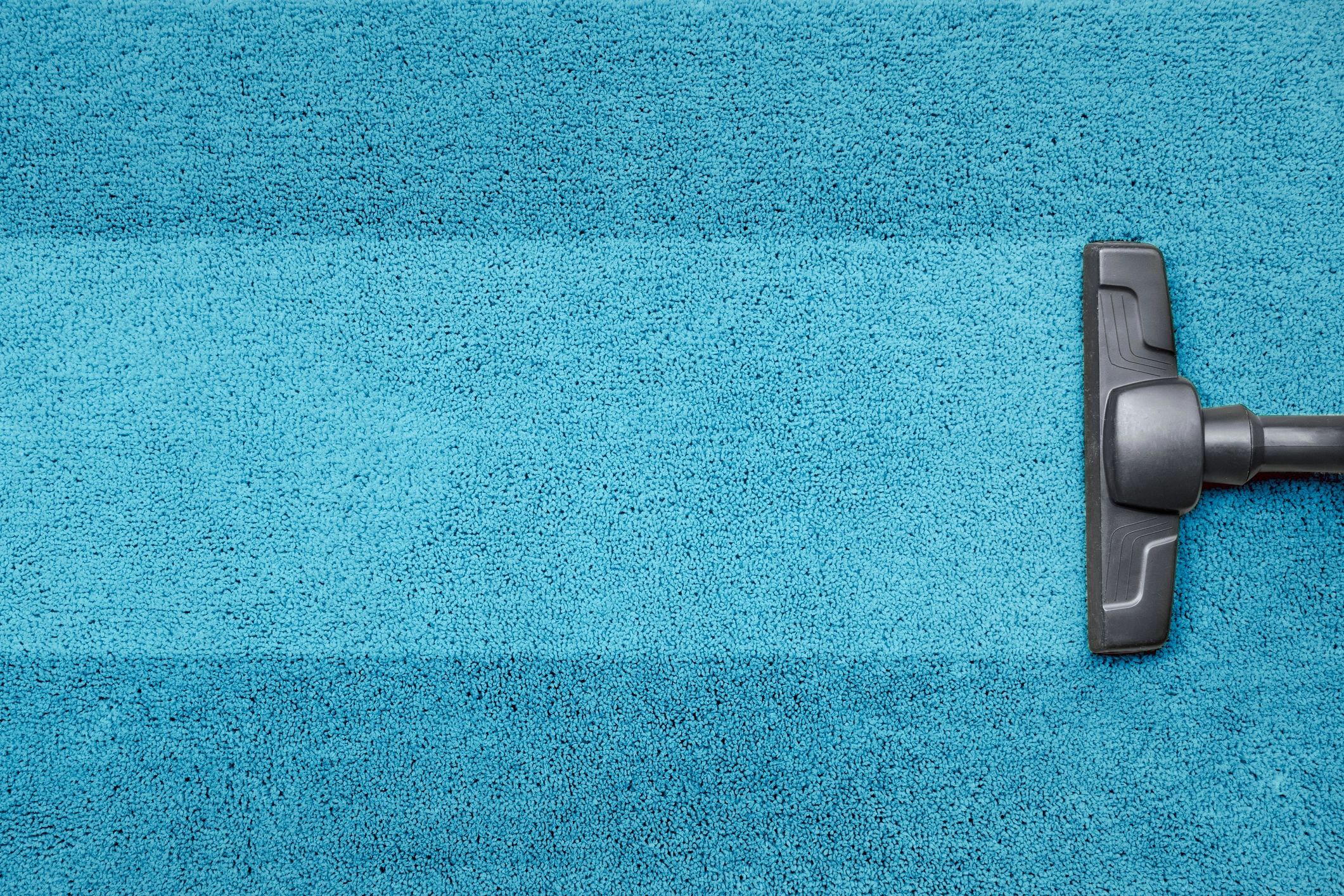
Breathe Easier with Cleaner Carpets
Did you know the average household accumulates pounds of dirt, allergens, and dust mites in carpets each year? For homeowners in Columbus and throughout Central Ohio, maintaining clean carpets isn’t just about appearances—it’s a crucial step toward a healthier, fresher living space. Over time, carpets trap pollutants from shoes, pets, and indoor air, which can compromise indoor air quality and trigger allergies or respiratory discomfort. That’s why regular, effective carpet cleaning is essential for both hygiene and comfort.
In this guide, you’ll discover five proven carpet cleaning tips tailored to help Ohio residents maintain spotless, odor-free flooring year-round. From tackling everyday spills to deep-cleaning routines that extend carpet life, these strategies are designed to be practical, cost-effective, and safe for families and pets. You’ll learn how to choose the right cleaning methods, identify early signs of wear and contamination, and use proper techniques that align with industry best practices. Whether you’re dealing with seasonal mud tracked in from the backyard or persistent pet odors, these insights will empower you to keep your home feeling truly fresh. Let’s dive into the secrets of a cleaner, more inviting home—one carpet fiber at a time.
Breathe Easier: Why Routine Carpet Cleaning Transforms Your Indoor Environment
Regular carpet maintenance goes beyond surface-level freshness—it plays a crucial role in enhancing your home’s overall indoor air quality and long-term cleanliness. Carpets act as filters, trapping dust, pet dander, pollen, and microscopic allergens that circulate daily. Without consistent cleaning, these contaminants accumulate and can be re-released into the air you breathe, especially in high-traffic areas of Columbus homes.
By scheduling routine deep cleanings, homeowners effectively reduce allergen buildup, offering relief for those with sensitivities or respiratory concerns. Proper cleaning methods, such as hot water extraction or low-moisture cleaning, lift embedded pollutants without oversaturating fibers, promoting faster drying and preventing mold growth—especially important during Ohio’s humid months.
Additionally, removing abrasive particles that grind into carpet fibers helps preserve textile integrity, meaning your carpets maintain their softness, appearance, and performance for years longer. This preventative care not only improves comfort but also delays the need for early replacement, offering smart long-term value.
For lasting results, aim to deep clean carpets every 6 to 12 months—more often if you have pets, children, or frequent visitors. Combine this with weekly vacuuming to maintain a cleaner, healthier living space.
Deep Clean Your Carpets with Supplies You Already Have
Reviving dull, soiled carpets doesn’t require expensive equipment or professional services—just a few common household items and the right technique. Follow this step-by-step guide to achieve a thorough deep clean that refreshes fibers, removes embedded dirt, and improves indoor air quality in your Columbus home.
Begin with a thorough vacuum
Remove loose debris, dust, and surface-level grime by vacuuming slowly and methodically. Use multiple passes, especially in high-traffic areas near doorways and under furniture. A clean filter ensures maximum suction power.Treat visible stains before deep cleaning
Apply a paste of baking soda and water or a mix of white vinegar and dish soap to stubborn spots like pet accidents or food spills. Gently blot with a microfiber cloth—avoid scrubbing, which can damage fibers.Prepare a DIY cleaning solution
Mix one cup distilled white vinegar, one cup warm water, and a few drops of mild dish soap in a spray bottle. This solution helps break down grease and neutralize odors.Apply and agitate
Lightly spray the solution onto carpet sections no larger than 3×3 feet. Use a soft-bristle brush to work it into the fibers in circular motions, then blot with a clean, damp cloth.Speed up drying
Open windows, use fans, or run a dehumidifier to prevent musty smells. Proper airflow in central Ohio’s humid climate ensures faster drying and inhibits mold growth.
Tackle Tough Spots: 5 Common Carpet Stains and How to Treat Them
Carpet stains happen—especially in busy Columbus homes where spills, tracked-in dirt, and pet accidents are part of everyday life. Knowing how to treat each type quickly and correctly can mean the difference between a lasting blemish and a spotless recovery. Here’s how to handle five of the most frequent offenders.
Pet Accidents – Act Fast and Neutralize Odors
Blot urine immediately with a clean cloth, then apply a mix of white vinegar and water (equal parts) to neutralize odor and break down uric acid. Avoid harsh ammonia-based cleaners, which can attract pets back to the same spot. For stubborn odors, use an enzyme-based cleaner to digest organic residues deep in fibers.Red Wine – Blot, Don’t Rub
At the first sign of a spill, blot (don’t scrub) with a dry towel. Sprinkle baking soda to absorb liquid, then mix dish soap with hydrogen peroxide and apply gently. The oxidation helps lift red wine’s intense pigments, especially in Columbus-area homes with hardwood underneath, where quick absorption prevents subfloor damage.Mud – Let It Dry Before Vacuuming
Resist the urge to wipe wet mud. Allow it to dry completely, then vacuum thoroughly. Use a stiff brush to loosen caked-on dirt without damaging pile. This method preserves carpet integrity and prevents spreading silt deeper.Coffee – Dab with Mild Detergent Solution
Blot the spill, then use warm water and a few drops of dish soap. Rinse with a damp cloth to remove soap residue. Coffee contains tannins that can stain, so prompt treatment is key.Grease – Use Baking Soda or Cornstarch
Sprinkle generously on the spot and let it sit overnight. These dry absorbents draw oil out of fibers. Vacuum thoroughly the next day. Repeat if needed.
Your Carpet Cleaning Questions, Answered
How often should I have my carpets professionally cleaned?
For most homes in Columbus and surrounding areas, experts recommend professional carpet cleaning every 12 to 18 months. High-traffic households, especially those with pets, children, or allergy sufferers, may benefit from more frequent service—around every 6 to 12 months. Regular maintenance helps preserve carpet fibers, remove deeply embedded allergens, and extend the life of your flooring. Waiting too long can lead to permanent staining and odor buildup, especially in areas near kitchens or entryways.
Can I clean carpets myself, or should I hire a pro?
While rental machines and store-bought cleaners can handle light surface cleaning, they often lack the suction power and specialized solutions needed for deep cleaning. Professional systems extract more moisture and debris, reducing drying time and the risk of mold. DIY methods may also leave behind residue that attracts more dirt over time.
Does carpet cleaning damage my flooring?
When done correctly with modern extraction techniques, professional cleaning does not damage carpets. Certified technicians use industry-approved methods that protect carpet fibers while removing contaminants. Over-wetting or improper drying is the real concern—always choose providers who guarantee proper moisture control.
How long does it take for carpets to dry after cleaning?
Drying times typically range from 6 to 24 hours, depending on humidity, carpet thickness, and ventilation. Most professional services in Ohio complete same-day drying with high-powered air movers and dehumidifiers. Avoid walking on carpets barefoot until fully dry to prevent tracking in dirt or oils.
What’s the best way to treat spills before a pro arrives?
Blot—don’t rub—immediately with a clean, white cloth. Use a solution of mild dish soap and water, or a 50/50 mix of white vinegar and water for tougher stains. Rinse the area with clean water and blot again. Avoid harsh chemicals like bleach, which can damage fibers and dyes.
Will carpet cleaning remove pet odors and allergens?
Yes—professional cleaning targets odor-causing bacteria embedded in fibers and padding. Enzymatic treatments break down organic matter from urine or dander, while HEPA-filtered equipment removes dust mites, pollen, and other allergens. This is especially beneficial for homes in urban and suburban Columbus neighborhoods where indoor air quality matters.
Is steam cleaning the same as hot water extraction?
These terms are often used interchangeably, but true steam cleaning uses actual steam, while hot water extraction forces heated water and detergent into fibers, then extracts it with powerful suction. The latter is more common, effective, and safer for most residential carpet types.
Keep Your Carpets Fresh and Your Home Healthy
Maintaining clean carpets isn’t just about appearances—it’s a key part of creating a healthy indoor environment for you and your family. From handling daily spills to managing embedded allergens, consistent care ensures your carpets last longer and contribute positively to your home’s air quality. As we’ve explored, routine vacuuming, prompt spot treatment, the strategic use of baking soda for odor control, deep steam cleaning every 6 to 12 months, and protecting high-traffic zones with rugs or pads are all proven strategies for preserving carpet integrity. These practices are especially important in areas like Columbus, where seasonal changes and urban pollutants can accelerate wear and contamination.
To get the most out of your carpet investment, commit to a maintenance schedule that includes both daily habits and periodic professional-grade cleaning. Don’t wait until stains set in or odors linger—stay ahead of common issues with proactive care. If you’re unsure where to start, consider consulting local carpet care experts who understand regional challenges and can offer tailored advice. A fresh home begins underfoot, so make carpet maintenance a non-negotiable part of your housekeeping routine. Your space will not only look better, but feel cleaner and more inviting every day.